

How Stedin tackles grid congestion with Obeya
Read how Stedin used the Obeya method to overcome its grid congestion challenges and strengthen internal collaboration.

Read how Stedin used the Obeya method to overcome its grid congestion challenges and strengthen internal collaboration.
“We need to get extra cables into the ground at a rapid pace, which is extremely complex because of laws and regulations, contractors and landowners,” explains Aran Haeken. “It often takes more than five years before the grid has been sufficiently reinforced, which means that congested areas are ‘locked’ and new connections are impossible. The Blue Sky program was set up to manage this challenge, offer customers perspective and automate processes. Although the number of congestion areas has decreased, the scale remains so large that a multidisciplinary approach is needed to effectively involve all value chains within the organization.”
Stedin looks ahead and asks itself:
“how are we going to manage such an enormous program?”
Obeya Coaching & Training was asked to think along, and Reinko de Vries took on this challenge.

“Then the question arose: how are we going to manage such an enormous program? We wanted to work visually, so that we would have a shared picture of our progress. We also wanted to take the rest of the organization along in a clear and consistent way, instead of communicating through newsletters and reports. We thought the Leading with Obeya method might be just the thing. I had never heard of Obeya, but someone on the team already had positive experiences with it.”
“We started with the Obeya Team Kickstart program by Obeya Coaching & Training, in which we built the Obeya and set up a meeting structure in three days. Eight months later, we see that this structured and agile approach works excellently. The team is always up to date, works in a fixed rhythm and adjusts course in time. The transparency towards the organization is extremely valuable; everyone, from the Executive Board to field technicians, now knows what we are doing and how they can contribute.”

To work effectively and transparently, Stedin chose the Obeya method, a visual management approach that makes goals and performance easy to oversee. This brought the following benefits:
- Visual transparency: all team members and stakeholders get real-time insight into progress.
- Improved collaboration: multidisciplinary teams work in a structured and consistent way.
- Increased agility: the team can quickly adjust course based on up-to-date data.
- More efficient decision-making: because everyone shares the same picture, decisions are made faster.

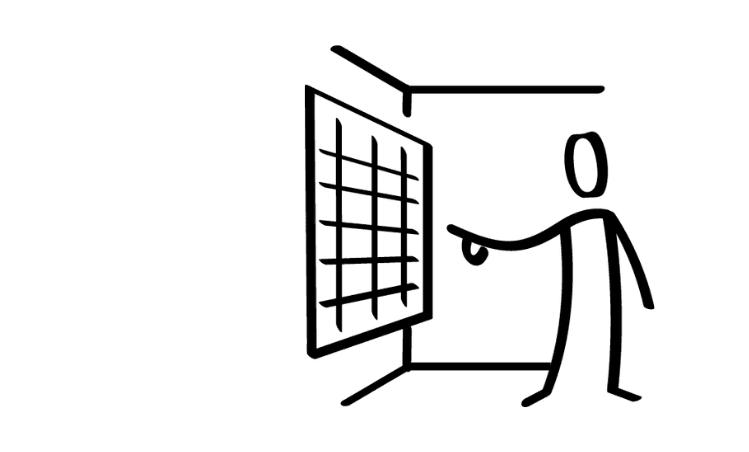
“What works well is the logical structure of the Obeya board. The Leading with Obeya method feels natural and coherent: from Strategic Direction, to Performance, to the Plan to Value board. We still work according to the routines and rhythm we learned during the training. We hold an Act & Respond session twice a week, and the Performance and Plan to Value sessions every other week. We do these sessions physically at the Obeya board. We also hold content sessions when needed and, of course, quarterly sessions to evaluate the past quarter and plan the next one. Members of the management team often join the Performance sessions to see where we stand. Because we have everything on the board, we are all looking at the same thing and can monitor progress and dependencies well.”
“The challenge is that it sometimes becomes a little too static; there is a lot of repetition in the sessions. And when there is no new information, the team quickly loses energy. The rhythm has to match the content. We run fairly long change programs, so the indicators don’t change every week. We want to keep the sessions valuable for the management team and for ourselves, so there has to be something to report. We are solving that puzzle right now. If we can improve the indicators, we will; otherwise we adjust the rhythm of the sessions.”
“We have a dedicated facilitator who guides the sessions. That is essential; he really gives us structure during the meetings. He asks a lot of critical questions about the process, such as ‘Does this belong here?’ and ‘Should we be discussing this here now?’, and he keeps us to the time and to our agreements. That lets us focus on the content, and the sessions stay short and effective. We used the LWO routines as a basis, but have since made them our own.”

Insights
“The program team consists of a mix of the management team, Epic owners and product managers, with support from IT. As a team, we have now reached a certain level of maturity, which is of course fed by the system. Because we meet in a fixed rhythm and talk about the things that matter, I really feel that we are a team. We weren’t when we started.”
“This way of working also gives us much more connection with other value chains. We see the impact of our work on other chains. If something doesn’t work out, we immediately see the impact it has on other chains or milestones. This system really gives us the tools to discuss the right things with each other. I believe this method makes us better able to achieve our program goals.”

What guidance or insights can we offer to help you grow?